
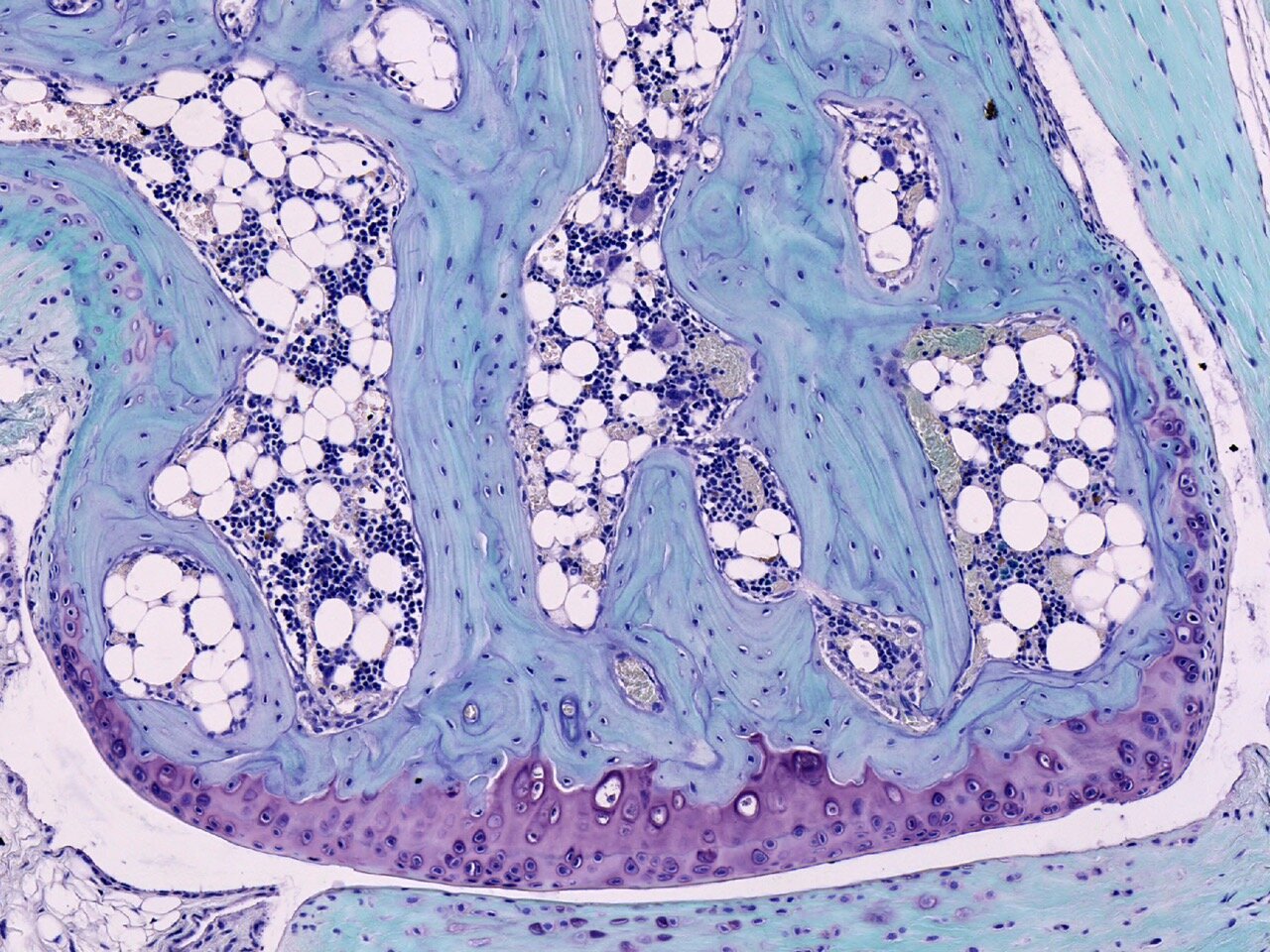
Regrowing Cartilage in Mice May Mean Good Things for Arthritis Treatment
Researchers at Stanford have good news for the future of arthritis treatment. In a paper published in Nature Medicine, Stanford professors and visiting researcher Matthew Murphy, PhD discovered a method that resulted in the regrowth of cartilage in mice.
That’s pretty remarkable when you consider up until now, the medical community believed that once cartilage was gone, it was gone for good. Losing this critical layer of tissue between bones is what leads to the pain of arthritis and it can be lost through injury or just plain old age. Most of the treatments we have now involve invasive surgeries like joint replacements or long-term pain management regimens.
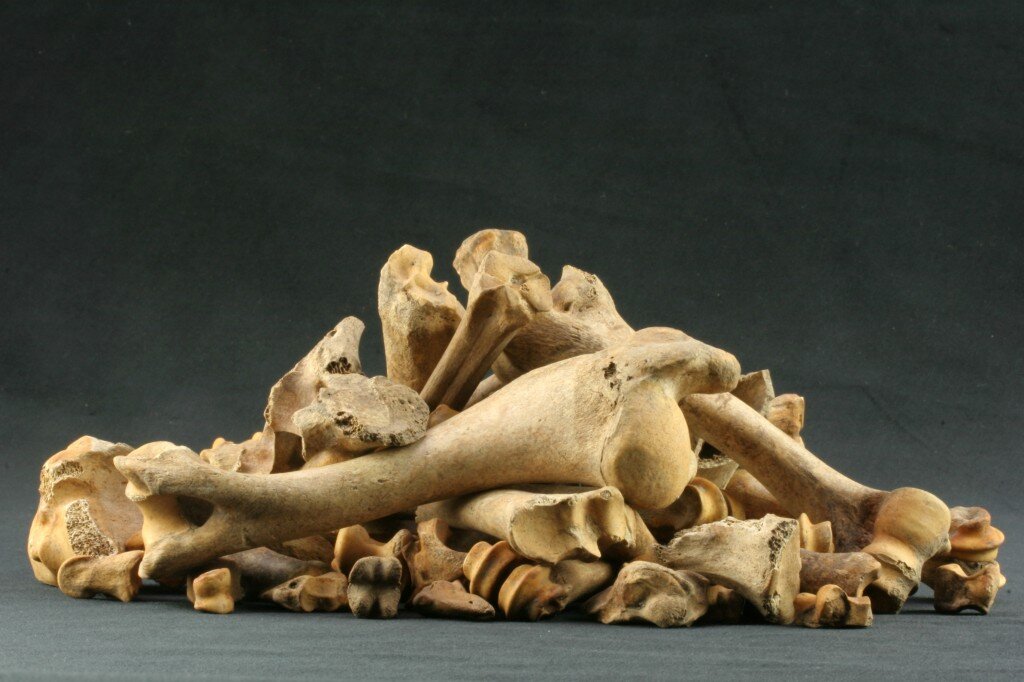
How Curved Are Your Bones? Smart Bones Can Minimize Fracture Risk
An interesting study from the Royal Veterinary College in London has provided insight that smart bones can evolve and regulate its shape to minimize risk of fracture.
The results, published in Science Advances and reported here, indicate that the bone’s responses to physiological forces is not related to mechanical stimuli, but rather, is length dependent and “highly targeted” for load predictability.

Fascinating Fun Facts About Shark Teeth!
Let’s just dive right into this next topic - pun intended!
As a graduate researcher working in a materials science lab aimed to characterize the mechanical properties of dental enamel, shark teeth were always fascinating to me. Unlike humans that go through phases of temporary deciduous teeth and permanent adult teeth, the growth and evolution of shark teeth is remarkably different.

White Paper on Finishing 3D Printed Titanium Implants
While 3D printing has transformed the rapid production of intricate implantable devices, post-process finishing is often a necessity for critical improvements to the aesthetic appearance and overall functionality. MATRIX MCD® Apatitic Abrasive micro-blasting presents an efficient and highly effective option!
This whitepaper, published by ORTHOWORLD® in the latest BONEZONE/OMTEC eNewsletter, reviews multiple case studies to demonstrate these advantages.

How Could Dinosaur Bones Support Such a Massive Load?!
The world’s biggest tyrannosaurus rex is believed to have weighed 9.8 tons, or 19,500 lbs.
Once the question, ”so, how do you even weigh a dinosaur” is addressed, the second natural question to ask is “how could their bones support such a massive load?”
New research recently published in PLOS ONE addresses the latter.